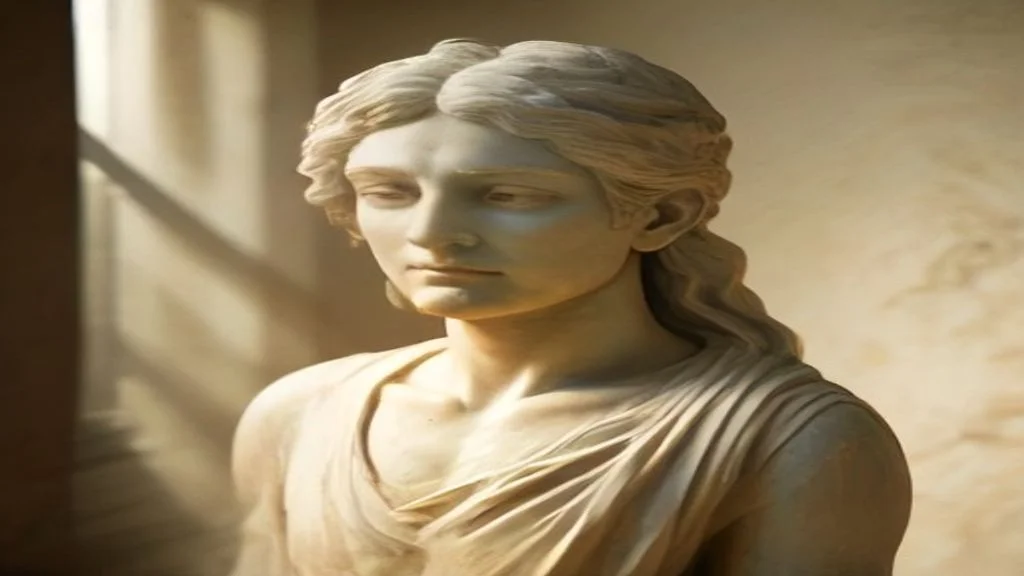
Stoic Philosophy Classics: Essential eBooks by Marcus Aurelius, Seneca, and Epictetus (All Public Domain)
If you’re looking for a lifetime of practical wisdom without spending a dime, the Stoic philosophy classics by Marcus Aurelius, Seneca, and Epictetus are the essential eBooks you need — and they're all public domain. These three ancient authors produced the most influential works of Stoic thought, and every single one of them is legally free to download, share, and read today.
<div class="tldr-box"> <div class="tldr-title"><span>TL;DR — Quick Summary</span></div>Stoicism is a practical philosophy for resilience and self-control. The foundational texts — Meditations (Marcus Aurelius, c. 180 AD), Letters from a Stoic (Seneca, c. 65 AD), and the Enchiridion (Epictetus, c. 135 AD) — are all in the public domain and available as free eBooks. You can find curated collections that bundle these works together for instant digital delivery, making it easy to start reading Stoic philosophy today without subscription fees or software.
</div>Why Stoic Philosophy Still Matters
Stoicism isn’t a dusty academic system — it’s a practical toolkit for dealing with anxiety, anger, and uncertainty. Marcus Aurelius wrote his Meditations not for publication but as private notes to himself while he was emperor of Rome. Seneca’s letters were written to friends facing real-life crises. Epictetus taught his students how to distinguish what they can control from what they cannot. These are survival manuals for the mind, and their advice is as useful in 2025 as it was two thousand years ago.
Because all these works were composed before the year 1928, they are now part of the public domain in the United States. That means you can legally own multiple translations, quote them freely, and even share them with others. There is no copyright holding you back — only the pleasure of reading.
The Three Pillars of Stoic Literature
The Stoic tradition rests on the writings of three figures: a Roman emperor, a Roman statesman, and a former slave who became a teacher. Each approached the philosophy from a different angle, and together they cover every aspect of Stoic practice.
1. Marcus Aurelius – Meditations (c. 180 AD)
Marcus Aurelius never intended his Meditations to be published. Written during his military campaigns, the book is a series of personal reflections on discipline, mortality, and inner peace. It remains the most widely read Stoic text. Popular translations include those by George Long (1862) and Gregory Hays (2002) — the former is public domain and freely available.
2. Seneca – Letters from a Stoic (c. 65 AD)
Seneca the Younger wrote 124 letters to his friend Lucilius, offering advice on everything from grief to anger to the shortness of life. Unlike the terse style of Marcus, Seneca’s writing is flowing and literary. His complete works, including On the Shortness of Life and On Anger, are in the public domain.
3. Epictetus – Enchiridion and Discourses (c. 135 AD)
Epictetus was born a slave but later founded a school of philosophy. His teachings were recorded by his student Arrian. The Enchiridion (meaning “handbook”) is a concise manual of Stoic principles, while the Discourses expand on those ideas in dialogue form. Both are public domain.
Essential Stoic Classics You Can Read for Free
Below are the key titles from each author that every Stoic reader should own. All are available as free eBooks in PDF and EPUB formats.
- Meditations – Marcus Aurelius (c. 180 AD). A personal journal of self-examination and Stoic ethics.
- Letters from a Stoic – Seneca (c. 65 AD). Practical correspondence covering virtue, friendship, and resilience.
- On the Shortness of Life – Seneca (c. 49 AD). A powerful essay on how we waste time and how to use it wisely.
- Enchiridion – Epictetus (c. 135 AD). The shortest and densest guide to Stoic practice.
- Discourses – Epictetus (c. 108 AD). A longer, dialogue-driven exploration of Stoic doctrine.
- The Stoic Six Pack (various translators, 19th century public domain) – A collection that bundles the above works plus The Golden Sayings and The Stoic Creed.
These books are not just historical artifacts; they are living texts that people turn to during stressful times, career transitions, or personal loss. And because they are public domain, you can download multiple translations to compare nuances without spending a cent.
How to Start Reading Stoic Philosophy Today
If you’re new to Stoicism, the best approach is to begin with the shortest works and work your way up. The Enchiridion can be read in an afternoon. Seneca’s On the Shortness of Life is equally brief. Once you have the core concepts, move on to Meditations and the Discourses.
Here are three practical steps to get started:
- Pick one short text — the Enchiridion or Seneca’s On the Shortness of Life — and read it in one sitting. Underline passages that strike you.
- Write down one principle from the text you can apply the next day. Stoicism is a philosophy of practice, not theory.
- Find a translation that resonates with your reading style. For Marcus, the George Long translation (1862) is stately but clear; the modern Gregory Hays version is more conversational but not public domain (yet).
If you prefer to read on a device, you can load these eBooks onto any e-reader, tablet, or phone. No special software is required — just a PDF or EPUB reader, which nearly every device already has.
Where to Find These Stoic Classics in One Place
Because the individual texts are scattered across dozens of websites, finding a clean, well-formatted copy of each can be time-consuming. That’s where curation helps. ZipMyBook's curated collections bring together the essential Stoic works into a single, themed bundle. You get the complete Meditations, a selection of Seneca’s best letters, and Epictetus’ Enchiridion and Discourses — all pre-vetted for quality and delivered via Google Drive or on a USB drive. It’s a one-click way to start your Stoic library without digging through archives.
And remember: every book in those collections is public domain. You own them permanently, can share them with friends, and never have to worry about expired licenses or subscription fees.
More Wisdom from the Public Domain
The same principle applies to countless other genres. If you enjoy the clarity of Stoic thought, you will likely also appreciate the sharp logic of classical philosophy, the moral essays of Plutarch, or the epistolary novels of the 18th century. explore additional public domain classics that span from ancient Rome to the Victorian era, all free and legally downloadable.
Final Thought
The Stoics taught that the only thing truly in your control is your own judgment. Choosing to read their words, with nothing standing between you and the text except your own curiosity, is a small act of that same freedom. The books are already there — public domain, ready to be opened.